Why Modern Home Plans Are Becoming the New Standard for Today’s Homeowners
by Elite Home Plans Blog • January 21, 2026
Modern House, Home Design, Architecture
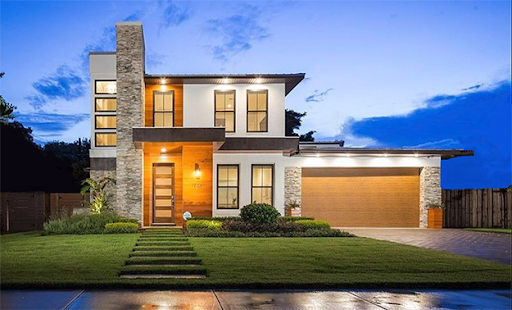
If you ask anyone building a new house what they want most, you’ll rarely hear them talk about square footage anymore. Instead, you’ll hear things like, “I want more light,” or “I need a layout that makes sense,” or “I’m tired of wasted rooms.” That shift is exactly why modern home plans have taken over the conversation. They’re not just a different style of architecture—they’re a different way of thinking about how people actually live.
Modern design puts comfort and usability first, and the look of the home ends up reflecting that mindset. Clean lines, open rooms, purposeful storage, and simple shapes make the space easier to live in, easier to maintain, and easier to enjoy. The appeal is less about fashion and more about practicality.
A Layout That Cuts the Extra Stuff Without Feeling Small
One thing most people notice immediately with modern home plans is how they remove the “extras” that never get used. A formal living room that sits empty for 360 days a year? Gone. A dining room that only sees action on holidays? Not part of these designs. Everything has a purpose.
Instead, you get open areas where people naturally gather — the kitchen, the dining area, and the main living space — all flowing into each other instead of being divided by walls. When a floor plan uses space this way, the home feels larger than the measurements suggest. It’s not about big rooms; it’s about useful rooms.
Storage gets handled differently too. Instead of stuffing closets in random corners, designers work it into the layout: walk-in pantries, built-ins, mudroom cubbies, well-placed cabinets, and closets that actually fit real belongings instead of pretending to. It reduces daily clutter without adding visual noise.
Light Matters More Than Most People Realize
Natural light is one of the defining features of modern architecture, and it completely changes the atmosphere of a home. Large windows soften the space during the day, while wide openings to the backyard turn outdoor areas into part of the living space. Rooms feel calmer and more open simply because light moves through them instead of being blocked.
It’s common to see windows on two or even three sides of a room, especially in the main living areas. That design creates very different moods depending on the time of day. Morning light feels warm and clean. Midday light brightens everything. Evening light cools the room down and softens the edges.
Outdoor access is another big part of this. A sliding door or folding glass wall can make the home feel like it instantly expands when you need extra space — whether that’s for guests, kids playing, or simply relaxing.
Energy Efficiency Built Into the Structure
A lot of people assume energy efficiency only comes from choosing expensive appliances or adding solar panels. In reality, the floor plan itself makes a huge difference. Modern layouts often require fewer internal walls, which means the heating and cooling system doesn’t have to fight with airflow restrictions. Windows are placed strategically to create natural ventilation, and simplified rooflines help reduce heat loss.
Even without specific upgrades, these homes tend to stay comfortable with less effort. Over the long run, that can add up to real savings.
Materials play a part too. Many modern plans use durable finishes—metal accents, composite panels, and engineered wood—that not only look good but hold up better than traditional decorative trim.
A Style That Doesn’t Date Itself Every Few Years
Most design trends fade fast. Modern home plans don’t depend on trends, which is why they age well. Their simplicity makes them easier to update with personal style choices. Someone who likes warm, natural textures can decorate it one way. Someone who leans toward industrial or minimalist can go in a totally different direction. The architecture stays neutral enough to support either.
Because of this, modern homes usually appeal to a broader range of buyers, which can help with resale value later.
Spaces That Adapt as Life Happens
Modern design tends to build flexibility right into the layout. Instead of having extra rooms that sit unused, many plans include “bonus spaces” that can become whatever you need. A home office today might become a guest bedroom tomorrow. A loft could serve as a game room, hobby space, or home gym. Outdoor areas designed as extensions of the interior can be used ten months out of the year in some climates.
And if aging in place becomes a priority, it is ground-floor primary suites that make life easier without renovations.
This adaptability is one of the major reasons families go for modern design. They think long-term, and these plans give them room to grow or shift without moving walls.
Choosing the Right Plan for Your Vision
With the many ways to interpret modern design, finding just the right plan can be somewhat overwhelming. It is generally more helpful to explore options that focus on livable flow, good natural lighting, and clean lines rather than trying to match a specific "look."
The right plan makes building smoother, construction more efficient, and the finished home more enjoyable.
Why Modern Home Plans Are Here to Stay
Modern home plans reflect how people live now, not how they lived decades ago. They focus on comfort, purposeful design, and spaces that make sense for daily living. And since they've been built around light, simplicity, and flexibility, they will also form a strong foundation for new homes well into the future.